Our Specialties
Have Additional Questions?
1085 NE Gateway CT NE Suite # 190
704-666-1780
manager@cabarruspecialtyRx.com
Download Now!
Download Brochure
Personalized Support for Safer, More Effective Pain Care
Pain can affect movement, sleep, mood, relationships, and everyday activities. It may develop after an injury or surgery, result from an ongoing health condition, or involve changes in how the nervous system processes pain signals.
Effective pain management is not limited to reducing discomfort. It also focuses on improving mobility, function, sleep, and overall quality of life.
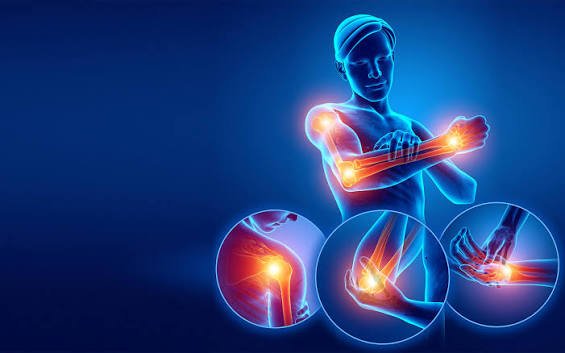
Understanding Different Types of Pain
Pain may be classified according to how long it lasts:
- Acute pain: Lasts less than one month and often follows an injury, illness, procedure, or surgery.
- Subacute pain: Continues for approximately one to three months.
- Chronic pain: Lasts longer than three months and may continue after the original injury has healed.
Pain may also feel different depending on its cause. It may be aching, burning, stabbing, throbbing, tingling, or accompanied by numbness and sensitivity.
Pain Assessment and Diagnosis
Because pain is personal, a healthcare provider will consider more than a number on a pain scale. Your evaluation may include:
- Where the pain occurs
- How the pain feels
- When it began
- How often it occurs
- What improves or worsens it
- How it affects sleep, movement, mood, and daily activities
- Previous treatments and their results
- Other medical conditions and medications
Your provider may perform a physical examination and order blood tests, imaging, nerve testing, or other evaluations depending on the suspected cause.
Treatment Options
Pain management is usually most effective when it combines appropriate therapies based on the individual patient and the cause of the pain.
A treatment plan may include:
- Physical or occupational therapy
- Provider-approved exercise and stretching
- Heat or cold therapy
- Behavioral or psychological support
- Sleep and stress-management strategies
- Acupuncture, massage, or other complementary approaches
- Injections or other medical procedures
- Prescription or nonprescription medications
- Treatment of the underlying health condition
For subacute and chronic pain, nonopioid medications and nonmedication therapies are generally preferred when appropriate.